
Weight management is a growing concern worldwide, and innovative medications like semaglutide and tirzepatide are changing the landscape for individuals seeking effective solutions. Both medications have proven results in clinical trials, targeting appetite control, metabolism, and sustainable weight loss. AM Rx focuses on helping patients navigate these options safely, providing guidance tailored to individual goals and health profiles.
This article provides an in-depth comparison of semaglutide vs tirzepatide for weight loss, explaining how each medication works, reviewing clinical outcomes, exploring real-world experiences, and offering practical insights to help individuals make informed decisions. By understanding these options, readers can approach their weight loss journey with confidence and clarity.

Understanding Semaglutide and Tirzepatide
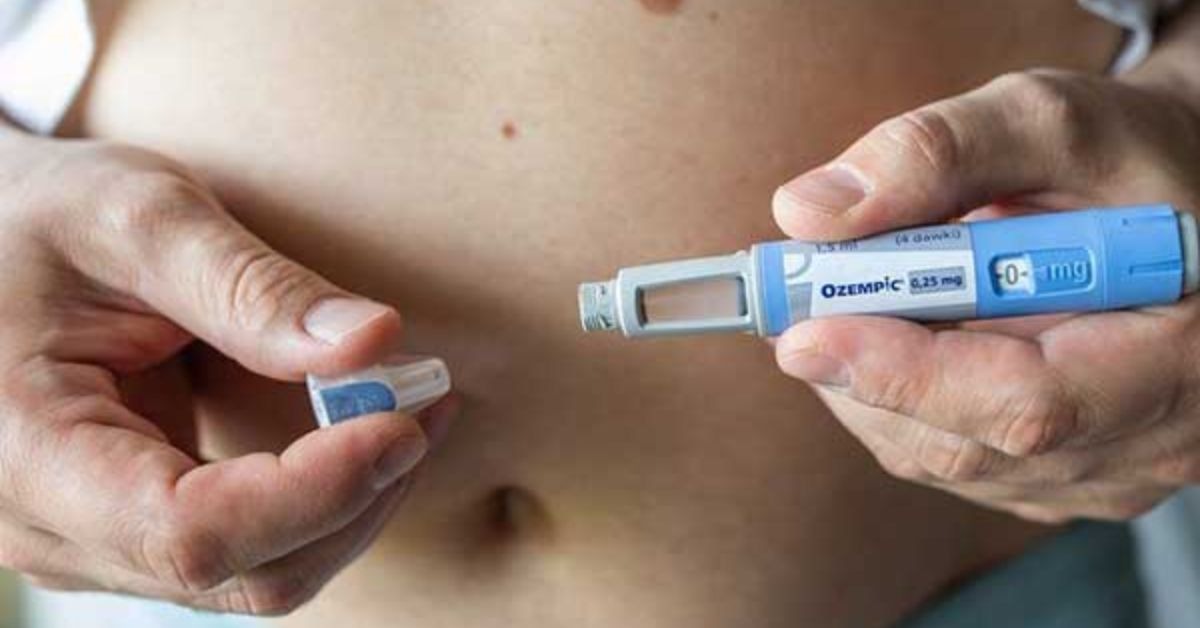
Semaglutide is a glucagon-like peptide-1 (GLP-1) receptor agonist, originally developed for type 2 diabetes management. It helps reduce appetite, slows gastric emptying, and promotes satiety, making it easier for individuals to consume fewer calories. Patients often find it easier to follow calorie-controlled diets and maintain weight loss over time.
Tirzepatide is a newer dual-acting medication that combines GLP-1 receptor activation with glucose-dependent insulinotropic polypeptide (GIP) activity. This dual mechanism enhances appetite control and improves insulin sensitivity, potentially offering stronger metabolic benefits. Both medications are administered via weekly injections, and their effectiveness is maximized when combined with healthy eating and regular physical activity. AM Rx ensures patients understand the mechanisms and choose the right treatment for their lifestyle.
How Semaglutide and Tirzepatide Promote Weight Loss
Semaglutide works by mimicking the GLP-1 hormone, which signals the brain to reduce hunger and slow stomach emptying. This mechanism makes it easier to manage portion sizes and reduce caloric intake without feeling deprived. Over time, this can lead to substantial weight loss and improved metabolic health.
Tirzepatide’s addition of GIP receptor activity affects insulin secretion and fat metabolism, which enhances nutrient processing and energy balance. This dual action may result in faster and more pronounced weight loss for some patients. AM Rx helps patients assess which medication aligns with their goals, considering factors like appetite control, metabolic health, and lifestyle habits.
Weight Loss Outcomes: Semaglutide vs Tirzepatide
Clinical trials indicate that semaglutide users can lose an average of 15–17% of their body weight over 68 weeks. Participants also experienced improvements in waist circumference, blood pressure, and glucose regulation, highlighting the broader health benefits of the medication. These results have made semaglutide a leading choice for many seeking medically supported weight loss.
Tirzepatide has demonstrated slightly higher results, with some studies showing 20–22% average weight reduction in a similar timeframe. This has sparked interest in tirzepatide vs semaglutide results, as tirzepatide may provide an edge for patients who need more aggressive weight management. AM Rx provides patients with comparative data and professional insights to help guide decisions based on clinical evidence and individual goals.
Mechanisms of Action: Why They Matter
The difference in effectiveness between semaglutide and tirzepatide stems from their mechanisms. Semaglutide primarily activates GLP-1 receptors to regulate appetite and slow digestion. This helps control calorie intake and supports long-term adherence to a reduced-calorie diet.
Tirzepatide engages both GLP-1 and GIP receptors, improving insulin sensitivity and influencing fat metabolism. This dual mechanism can enhance weight loss and metabolic outcomes, making tirzepatide particularly effective for patients with insulin resistance or type 2 diabetes. Understanding these mechanisms is critical, and personalized weight loss coaching and medication plans by AM Rx ensure patients choose the medication best suited to their metabolic profile.
Real-World Experiences
Patients using semaglutide or tirzepatide frequently report decreased appetite, better portion control, and more consistent adherence to their diet plans. Combining medication with regular exercise and a structured nutrition plan has proven most effective for sustainable weight loss.
Some patients note stronger initial gastrointestinal effects with tirzepatide due to its dual mechanism. Gradual dose titration helps manage these side effects while maintaining progress. AM Rx provides personalized guidance to help patients adjust to the medication and maximize results while minimizing discomfort.
Practical Considerations in Choosing the Right Medication
When evaluating semaglutide vs tirzepatide for weight loss, several factors influence the decision. Weight loss goals, tolerance to side effects, medical history, and cost should all be considered. Tirzepatide may be preferable for patients seeking higher weight loss and metabolic benefits, while semaglutide offers a well-established safety profile and broad accessibility.
AM Rx helps patients navigate these considerations by offering professional consultations, analyzing individual health factors, and recommending a treatment plan that aligns with personal goals. This ensures patients select the most effective and safe option for their weight management journey.
Long-Term Benefits Beyond Weight Loss
Both medications offer benefits beyond simple weight reduction. Semaglutide has been shown to improve glucose regulation, blood pressure, and cholesterol levels. Tirzepatide may provide enhanced metabolic improvements due to its dual action on GLP-1 and GIP receptors.
Patients often report improved energy levels, better focus, and reduced cravings, which can contribute to sustained lifestyle changes. AM Rx emphasizes that medication should complement, not replace, a balanced diet, regular exercise, and behavioral strategies for long-term success.

Conclusion
Choosing between semaglutide and tirzepatide requires careful consideration of effectiveness, safety, and personal health goals. Both medications are powerful tools for achieving meaningful weight loss and improving metabolic health when combined with lifestyle changes.
Tirzepatide may provide slightly greater weight reduction, whereas semaglutide offers a proven track record and broader availability. AM Rx ensures patients receive expert guidance, understand realistic outcomes, and implement strategies that lead to sustainable long-term weight management. With professional support, patients can achieve results while maintaining safety and consistency.
FAQs
1. Which medication is more effective for weight loss, semaglutide or tirzepatide?
Tirzepatide may achieve slightly higher weight loss on average, but semaglutide is highly effective for most patients. AM Rx provides personalized guidance to determine the best option.
2. Are these medications safe for long-term use?
Both medications are generally safe under medical supervision. Regular monitoring helps manage rare risks like pancreatitis or gallbladder issues.
3. How soon can patients expect weight loss results?
Noticeable changes often occur within 4–8 weeks, with more significant results over several months when combined with diet and exercise.
4. Can patients switch between semaglutide and tirzepatide?
Yes, switching is possible with dose adjustments and monitoring to ensure safety and continued effectiveness. AM Rx guides this process professionally.
5. Is insurance coverage available for these medications?
Coverage varies; semaglutide is often more widely supported, while tirzepatide may be more expensive. AM Rx helps patients navigate cost and coverage options.

.jpg)