Starting a GLP-1 medication can change the way you experience hunger, fullness, and food cravings. Because these medications can reduce appetite and slow digestion, the foods you choose become especially important. A well-planned GLP 1 diet plan can help you meet your nutritional needs, maintain energy, support muscle mass, and make your weight-loss journey more sustainable.
The best approach is not an extremely restrictive diet or a plan built around eating as little as possible. Instead, a balanced GLP-1 diet should focus on nutrient-dense foods, adequate protein, fiber-rich carbohydrates, healthy fats, and enough fluids. When appetite is lower, every meal has an opportunity to provide valuable nutrition.
AM Rx provides virtual healthcare and weight-management services that can help eligible patients discuss their treatment, nutrition goals, and weight-loss progress with healthcare professionals.
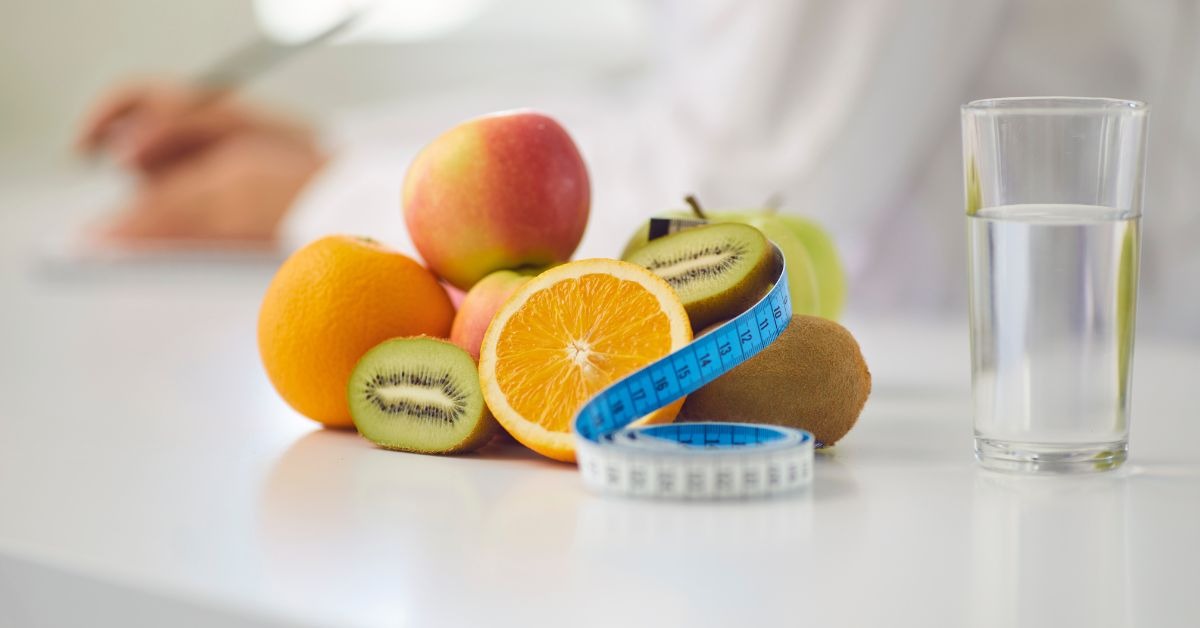
What Should You Eat on a GLP-1 Diet
A good GLP-1 diet prioritizes foods that provide substantial nutrition without requiring very large portions. Since GLP-1 medications may make you feel full sooner, choosing foods with protein, fiber, vitamins, minerals, and healthy fats can help you get more nutritional value from smaller meals.
Protein should be a major part of your daily eating pattern. Eggs, chicken, turkey, fish, Greek yogurt, cottage cheese, tofu, beans, lentils, and other protein-rich foods can help support muscle maintenance during weight loss. Vegetables and fruits provide fiber and essential micronutrients, while whole grains, potatoes, oats, and other minimally processed carbohydrates can provide energy.
Healthy fats can also have a place in a balanced GLP-1 diet. Avocado, nuts, seeds, olive oil, and fatty fish provide beneficial fats, although portion sizes still matter because high-fat meals can feel heavy for some people taking GLP-1 medications. AM Rx can help eligible patients understand how their eating habits can complement their broader weight-management plan.
What Are the Best Foods to Eat on GLP-1
When appetite decreases, foods should provide meaningful nutrition without relying heavily on empty calories. Choosing foods to eat on GLP-1 treatment can therefore start with a simple principle: prioritize protein, produce, fiber, and nutrient-rich whole foods.
For breakfast, options such as eggs with whole-grain toast, Greek yogurt with berries, or oatmeal with nuts and seeds can provide a combination of protein, fiber, and energy. Lunch could include grilled chicken with vegetables and quinoa, a lentil soup with a side salad, or a tuna and vegetable bowl. Dinner might feature grilled fish with roasted vegetables and potatoes, lean chicken with brown rice, or tofu with mixed vegetables.
Snacks can be useful when meals are smaller. Greek yogurt, fruit with nut butter, cottage cheese, a small handful of nuts, or vegetables with hummus can provide additional nutrients without requiring a large portion. The best choices will depend on your appetite, nutritional needs, preferences, and overall treatment plan.
How Much Protein Do You Need on a GLP-1 Diet
Protein deserves particular attention during weight loss because losing weight can involve both fat and lean tissue. Maintaining adequate protein intake, alongside appropriate physical activity, can help support muscle health while you work toward your weight-loss goals.
Rather than trying to consume a very large amount of protein in one meal, spreading protein throughout the day may be easier when your appetite is reduced. Including a protein source at breakfast, lunch, dinner, and appropriate snacks can help you consistently meet your nutritional needs.
Good options include eggs, poultry, seafood, lean meat, Greek yogurt, cottage cheese, tofu, tempeh, beans, and lentils. If large portions feel uncomfortable because you are experiencing reduced appetite, smaller protein-rich meals may be easier to tolerate. AM Rx can provide access to healthcare professionals who can help you discuss your individual nutrition and weight-management needs while using GLP-1 medication.
What Does a GLP-1 Meal Plan Look Like
A practical GLP-1 meal plan does not need to be complicated. The focus should be on balanced meals that provide adequate nutrition while working with your appetite and digestive comfort. Smaller meals may be more manageable for some people, particularly when they experience early fullness.
A typical day could begin with two eggs, whole-grain toast, and berries. Lunch might include grilled chicken, mixed vegetables, and a small serving of quinoa. For dinner, grilled salmon with roasted vegetables and a small portion of potatoes can provide protein, healthy fats, and carbohydrates. If you need a snack, Greek yogurt with berries or a small serving of nuts may be a convenient option.
Portion sizes should be adjusted according to your appetite and nutritional needs. There is no requirement to follow the same meal plan every day. The most effective approach is one that provides enough nutrition, fits your preferences, and can realistically become part of your routine.
Effective weight loss programs with online GLP-1 prescriptions by AM Rx can help eligible patients access professional guidance, medication management, and ongoing support while working toward their long-term weight-loss goals.
Which Foods Should You Limit While Taking GLP-1 Medication
GLP-1 medications can slow stomach emptying, and some foods may feel more difficult to tolerate during treatment. Large meals, very greasy foods, heavily fried foods, and meals with excessive amounts of added sugar may cause digestive discomfort for some people.
Highly processed foods can also make it harder to obtain adequate nutrition when your appetite is already reduced. Foods high in calories but low in protein, fiber, vitamins, and minerals may fill you up without providing the nutrients your body needs during weight loss.
This does not mean you need to completely eliminate every food you enjoy. A sustainable GLP-1 diet should leave room for flexibility while emphasizing nutrient-dense choices most of the time. If a particular food consistently causes nausea, reflux, bloating, or other discomfort, consider discussing it with your healthcare professional.
How Much Water Should You Drink on a GLP-1 Diet
Staying hydrated is an important part of any weight-management plan. Reduced appetite can sometimes lead people to overlook fluids, while gastrointestinal symptoms such as vomiting or diarrhea can increase fluid losses.
Water should generally be your primary beverage, although individual fluid requirements vary based on factors including body size, activity level, climate, and health conditions. Drinking fluids consistently throughout the day may be easier than trying to consume a large amount at once.
Hydration can also support regular bowel movements, which may be particularly relevant for people who experience constipation while taking GLP-1 medication. If you have specific fluid restrictions or medical conditions that affect hydration needs, follow the guidance provided by your healthcare professional.
Can You Exercise While Following a GLP-1 Diet Plan
Nutrition and physical activity work together during weight loss. While GLP-1 medication can help reduce appetite and support weight reduction, regular movement can help maintain fitness and support muscle health.
Strength training is particularly useful because maintaining lean muscle is an important consideration during weight loss. Activities such as resistance exercises, bodyweight movements, or weight training can be combined with walking, cycling, swimming, or other forms of cardiovascular activity.
The best exercise routine is one that matches your current fitness level and can be performed consistently. If you are new to exercise or have specific health considerations, discussing your activity plan with a healthcare professional can help you determine an appropriate approach. AM Rx supports weight-management care by helping eligible patients address treatment and lifestyle considerations as part of their broader health goals.
How Can You Make a GLP-1 Diet Easier to Follow
The best GLP 1 diet plan is one you can maintain over time. Because appetite may be lower, planning meals in advance can help ensure that you still consume enough protein and essential nutrients. Keeping simple options available can also prevent you from relying heavily on highly processed convenience foods.
Try building meals around a protein source first, then add vegetables or fruit, a suitable carbohydrate, and a moderate amount of healthy fat. Eating slowly can also help you recognize fullness before becoming uncomfortably full. If large meals are difficult to tolerate, dividing your food into smaller meals may make eating more comfortable.
Your food preferences matter too. There is no need to follow a rigid menu if it makes your routine difficult to maintain. Choose nutritious foods you genuinely enjoy and create meals that fit your schedule. AM Rx can help eligible patients stay connected with their healthcare team while they work toward sustainable weight-management habits.
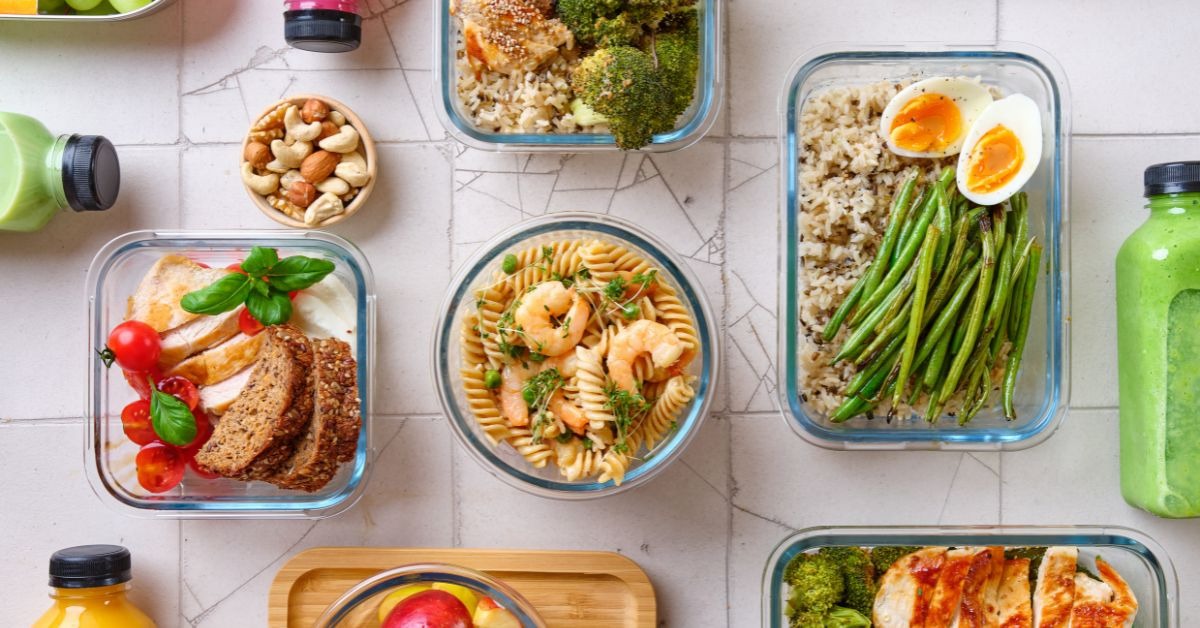
What Should You Eat if You Have Little Appetite on GLP-1
Reduced appetite is one of the reasons GLP-1 medications can support weight loss, but eating too little can make it difficult to meet your nutritional requirements. When food does not seem appealing, focus on smaller portions that provide substantial nutrition.
Protein-rich foods can be especially useful because they provide important nutrients without requiring a large meal. Greek yogurt, eggs, cottage cheese, fish, chicken, tofu, and smoothies containing nutritious ingredients may be easier to consume than large meals for some people.
If persistent nausea, vomiting, severe abdominal discomfort, or difficulty eating makes it challenging to maintain adequate nutrition, contact your healthcare professional. Your treatment and symptoms may need to be reviewed rather than simply trying to force yourself to eat more.
Frequently Asked Questions
What is the best GLP 1 diet plan for weight loss?
The best GLP 1 diet plan is balanced, nutrient-dense, and sustainable. It should include adequate protein, vegetables, fruits, fiber-rich carbohydrates, healthy fats, and sufficient fluids while limiting excessive amounts of highly processed and heavily fried foods.
What are the best foods to eat on GLP-1?
Protein-rich foods, vegetables, fruits, whole grains, legumes, and healthy fats are good choices for many people taking GLP-1 medication. Eggs, fish, chicken, Greek yogurt, beans, lentils, berries, vegetables, oats, avocado, nuts, and seeds can all fit into a balanced eating pattern.
Can I eat carbohydrates while taking GLP-1 medication?
Yes. Carbohydrates can be part of a healthy GLP-1 diet. Choosing nutrient-rich sources such as oats, potatoes, beans, lentils, fruits, and whole grains can provide fiber and energy while supporting a balanced diet.
Should I eat smaller meals on GLP-1?
Some people find smaller meals easier to tolerate because GLP-1 medications can increase feelings of fullness and slow stomach emptying. Instead of forcing yourself to finish large portions, listen to your hunger and fullness cues while making sure your overall intake provides adequate nutrition.
Can I drink coffee while taking GLP-1?
Coffee may fit into your diet if you tolerate it well. However, large amounts of caffeine or high-calorie additions such as excessive sugar and cream may not support your goals. If coffee worsens nausea, reflux, or other digestive symptoms, consider reducing your intake and discussing persistent symptoms with your healthcare professional.
Conclusion
A successful GLP-1 diet plan is not about eating as little as possible. It is about making the most of your reduced appetite by choosing foods that provide protein, fiber, vitamins, minerals, healthy fats, and other important nutrients. Balanced meals can help support your energy, muscle health, digestive comfort, and long-term weight-management goals.
The best GLP-1 diet will look different from person to person. Some people may prefer three smaller meals, while others may feel more comfortable with smaller meals and nutritious snacks throughout the day. The key is to create an eating pattern that works with your appetite, fits your lifestyle, and remains realistic over the long term.
AM Rx provides virtual healthcare and weight-management services that can help eligible patients navigate their treatment journey. With professional guidance, a balanced GLP-1 diet, regular physical activity, and sustainable daily habits, you can focus on more than short-term weight loss and work toward maintaining healthier results over time.
.jpg)